Updated July 12, 2026 · 8 min read
The short answer
Vancouver, WA has no single "typical" bathroom because it's Washington's oldest city and grew in visible waves: early-1900s Craftsman districts (Hough, Carter Park, Shumway, Arnada) around Uptown Village, mid-century construction through the central city, and newer development east of I-205 in Cascade Park and Fisher's Landing. Historic-district projects usually solve for age and layout; east-side projects usually solve for builder-grade finishes.
Key takeaways
- Vancouver was founded in 1825 and incorporated in 1857, making it the oldest city in Washington state, per the City of Vancouver — and its oldest housing sits in the Craftsman-era districts just north of downtown.
- Hough, Carter Park, Shumway, and Arnada — collectively anchored by the Uptown Village business district along Main Street — hold Vancouver's earliest 20th-century bungalows and Craftsman homes, the primary source of aging plumbing, tight original layouts, and vintage-era bathrooms.
- The central city between Uptown and I-205 filled in largely with mid-century ranches, which more often need a full fixture and layout update than a structural rebuild.
- Cascade Park and Fisher's Landing, east of I-205, grew rapidly after Vancouver's 1983 annexation of eastern Clark County and its 1990s–2000s subdivision boom — these newer homes more often need a builder-grade primary bath upgraded to match the rest of the house, not age-driven repairs.
- Nationally, the median age of owner-occupied homes reached 41 years in 2023 (up from 31 in 2005), and NAHB ties that aging stock directly to remodeling demand — a trend visible in Vancouver's own mix of century-old Craftsman homes and newer east-side construction.
- Marine PNW humidity makes ventilation and waterproofing a through-line in every Vancouver neighborhood, but the failure points differ: aging plumbing and undersized original vents in historic homes versus poorly vented builder-grade fans in newer east-side primary baths.
Why "Vancouver bathroom remodel" isn't one answer
Vancouver didn't grow the way a lot of cities did — as a single subdivision built out in one pass. Founded in 1825 and incorporated on January 23, 1857, it's the oldest city in Washington state, per the City of Vancouver, and its footprint expanded outward from the Columbia River waterfront and Fort Vancouver — the Hudson's Bay Company fur-trading post and later U.S. Army post that anchored the area's early settlement — in distinct waves over the following century and a half.
That history is exactly why the housing stock, and the bathrooms inside it, look so different depending on which part of Vancouver you're in. A Craftsman-era home in Hough or Arnada has different bones than a primary suite built during the city's 1990s–2000s east-side subdivision boom. Nationally, NAHB reports the median age of an owner-occupied home climbed to 41 years in 2023, up from 31 in 2005 — and that aging trend plays out unevenly across a city like Vancouver, where some neighborhoods are pushing past a century and others are a couple of decades old.
Below is a practical breakdown by the real, named areas of Vancouver — the historic Uptown Village districts (Hough, Carter Park, Shumway, Arnada), the central mid-century city, and the newer east side (Cascade Park, Fisher's Landing) — and what each one's housing stock usually means for a bathroom project.
Vancouver neighborhoods at a glance
| Area | Typical home era | Common bathroom project |
|---|---|---|
| Hough, Carter Park, Shumway, Arnada (Uptown Village) | Early-1900s through 1930s Craftsman bungalows and four-squares | Full remodel addressing aging plumbing, old waterproofing, and a tight original footprint — see [full bathroom remodeling in Vancouver](/services/full-bathroom-remodeling/vancouver) |
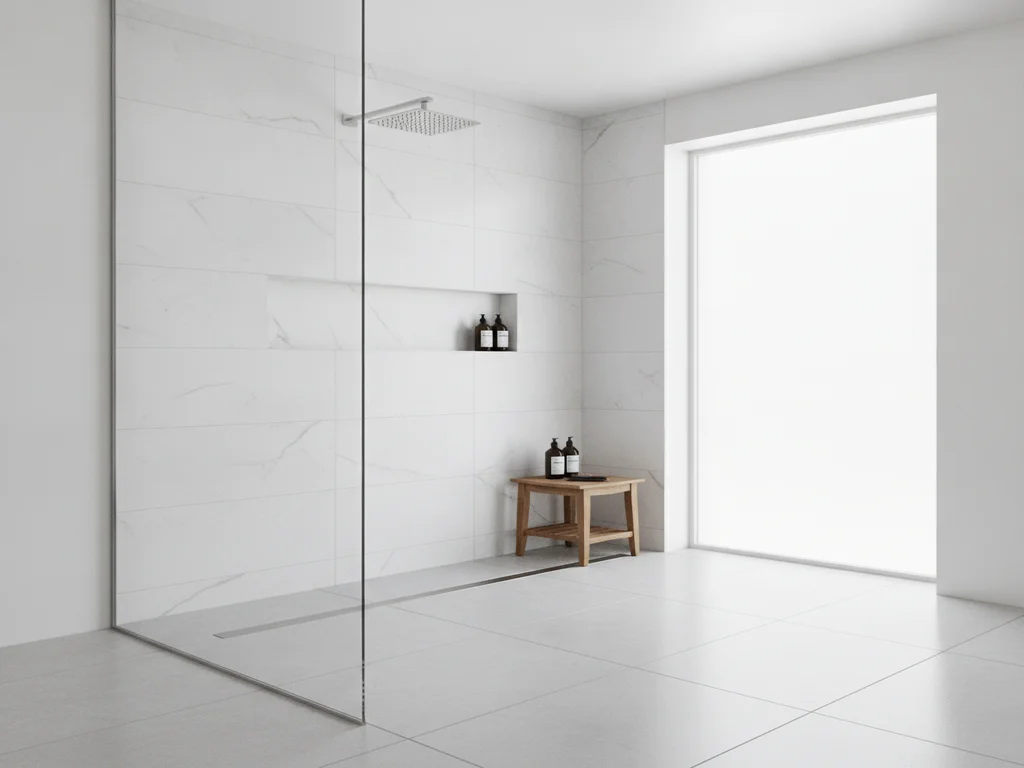
| Central Vancouver (between Uptown and I-205) | Mid-century ranches and postwar infill | Layout and fixture upgrades within an existing footprint; walk-in shower conversions — see [walk-in showers in Vancouver](/services/walk-in-showers/vancouver) |
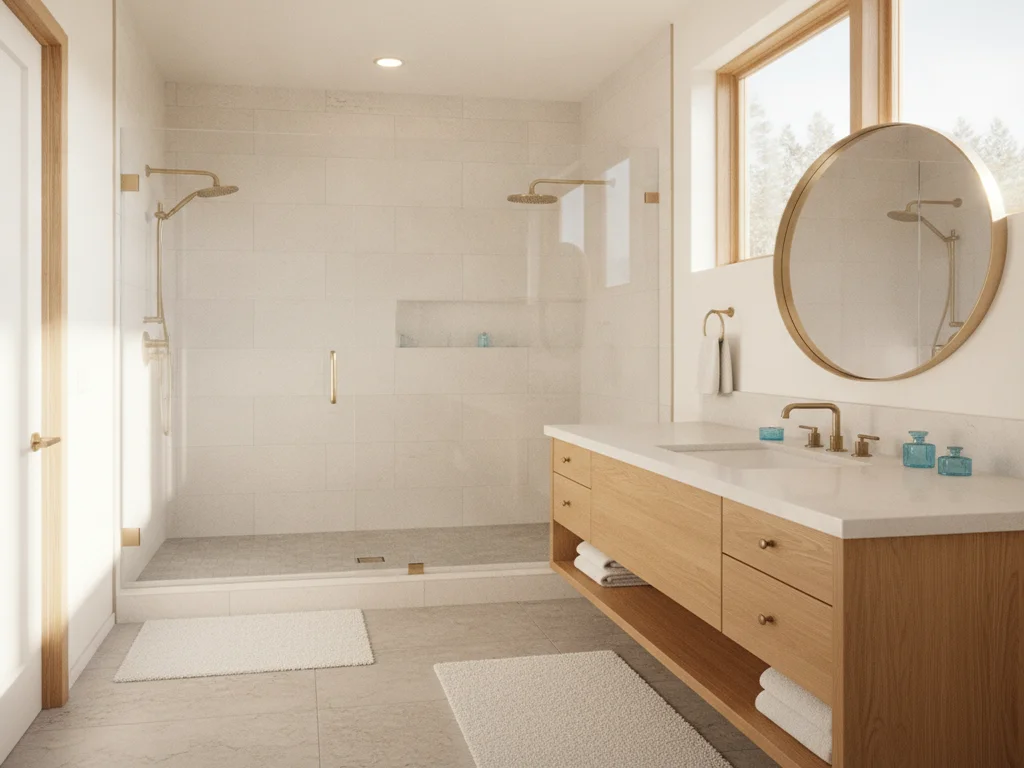
| Cascade Park | 1980s–1990s subdivisions built after the 1983 east-Clark-County annexation | Upgrading a builder-grade primary bath into a true [master bathroom retreat](/services/master-bathroom-retreats/vancouver) |
| Fisher's Landing | 1990s–2000s subdivision growth continuing east | Builder-grade finish upgrades and shower reconfigurations in structurally sound, newer homes |
Home eras are general characterizations based on the city's development history, not parcel-level data — confirm your specific home's age and construction through Clark County Assessor records.
Hough, Carter Park, Shumway & Arnada: Craftsman-era homes and what they usually need
North of downtown, roughly between 15th Street and Fourth Plain Boulevard, sits Uptown Village — the walkable Main Street business district that anchors four of Vancouver's oldest residential neighborhoods: Hough, Carter Park, Shumway, and Arnada. Hough is one of the city's oldest neighborhoods, with much of it listed on the Washington Heritage Register; Arnada is similarly historic, known for vintage homes and mature tree canopy; Carter Park's stock leans on early-to-mid-1900s Craftsman bungalows alongside newer infill; and Shumway's ramblers, bungalows, and Craftsmans date largely to the 1920s and 1930s.
The recurring themes across these four districts: original or long-since-replaced plumbing that's due for attention the moment a fixture moves, a smaller original footprint that wasn't designed around a modern shower or double vanity, and waterproofing details that predate current code. None of that makes a remodel here harder to do well — it just means the scope conversation usually starts with what's behind the walls, not just the finish selections.
A full bathroom remodel is the most common fit in Hough, Carter Park, Shumway, and Arnada, since it's the scope that actually addresses aging plumbing and layout constraints rather than working around them. Because all four sit inside Vancouver city limits, permitting runs through the City of Vancouver's residential permit process; our Vancouver permit guide walks through what triggers a permit for this kind of work.
Central Vancouver: mid-century ranches and the fixture-first upgrade
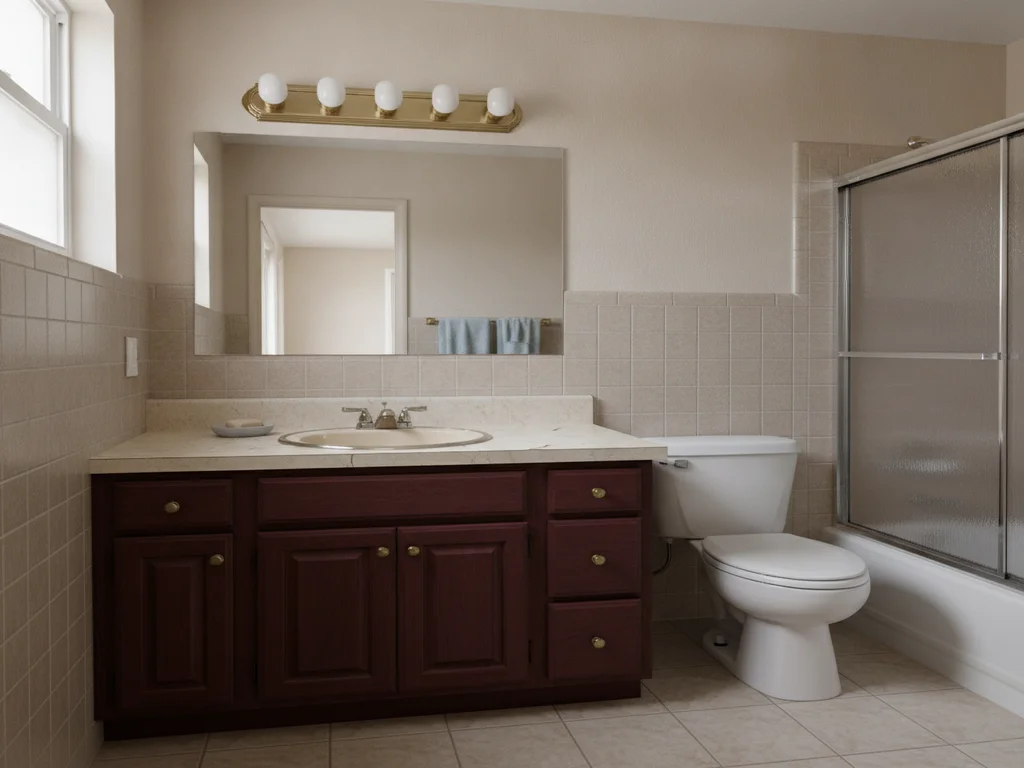
The blocks filling in between Uptown Village and I-205 grew up largely in the postwar decades, dominated by mid-century ranch-style homes rather than the earlier Craftsman stock to the north. These homes are usually old enough to have a dated bathroom but young enough that the underlying structure and plumbing are less often the driving concern — the more common issue is a bathroom that hasn't been touched since the house was built.
The typical central-Vancouver bathroom problem is less about opening walls to deal with century-old infrastructure and more about converting an aging tub/shower combo into something that fits how the household actually lives now. A walk-in shower conversion is the most common request in this part of the city, often paired with updated tile, lighting, and ventilation.
Same jurisdiction, different starting point
Central Vancouver sits inside city limits like the historic Uptown districts, so the permitting process is identical. What differs is the starting condition of the bathroom — a Hough or Arnada remodel more often opens walls to deal with old plumbing; a central-city remodel more often works within an already-sound mid-century structure.
Cascade Park & Fisher's Landing: the east side and the builder-grade upgrade
Vancouver's east side tells a newer story. The city's 1983 annexation of unincorporated east Clark County — one of the largest annexations in Washington history at the time — brought the Cascade Park area into city limits and set off decades of subdivision growth that continued eastward through the 1990s and 2000s into what's now known as Fisher's Landing. Both areas sit east of I-205 and are dominated by single-family subdivisions rather than the tighter, older street grid closer to downtown.
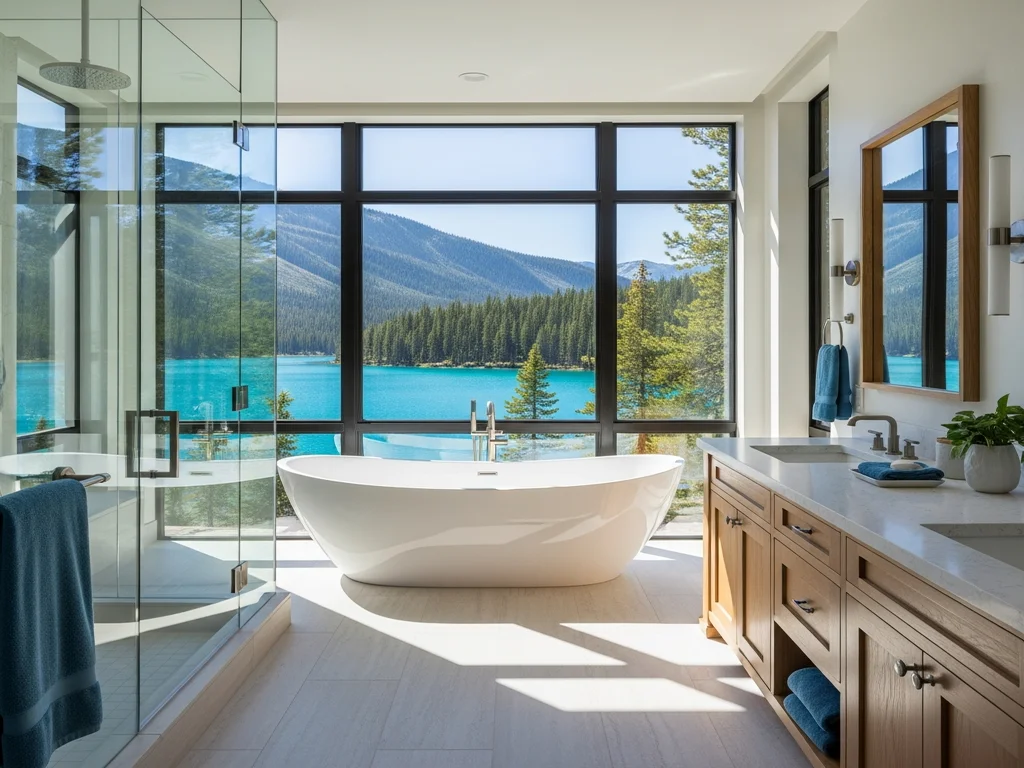
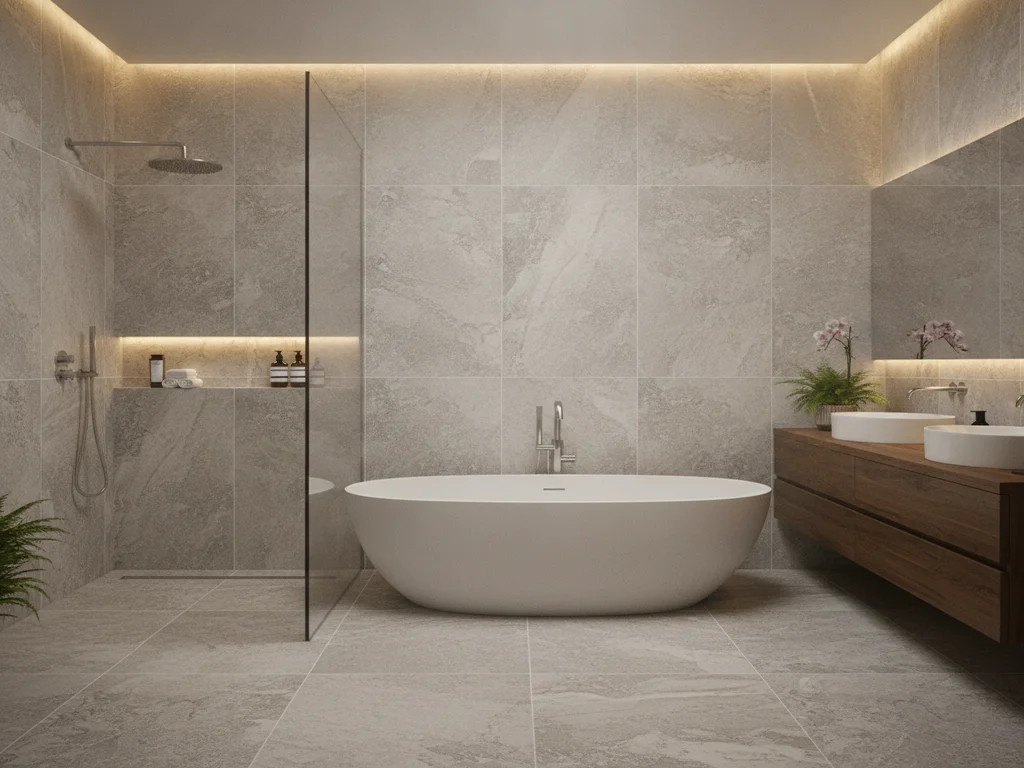
The typical Cascade Park or Fisher's Landing bathroom problem isn't structural — it's that the primary bath was finished to a builder-grade spec when the subdivision went in, and the rest of the house has since been updated around it. Homeowners here are usually looking to turn a serviceable but generic primary bath into something that matches the rest of a higher-end home: better tile and stone work, a larger or reconfigured shower, and finishes that hold up to daily use. That's the core of a master bathroom retreat project — upgrading materials and layout within a home that's already structurally sound.
The one constant across every Vancouver neighborhood: the wet PNW climate
Whether a bathroom is in a Craftsman-era Hough bungalow or a newer Fisher's Landing build, Vancouver sits in the same marine climate zone — meaning humidity, condensation, and moisture management are relevant everywhere, even when the underlying construction problem differs. An old bathroom in Arnada might have decades-old waterproofing that was never adequate to begin with; a newer Cascade Park bathroom might have an undersized or poorly vented exhaust fan that was code-minimum when installed but doesn't match the room's actual use.
This is also where material selection matters regardless of neighborhood — the wrong tile, grout, or substrate choice in a PNW climate shows up as failure years sooner than it would in a drier region. Our best bathroom materials for the PNW climate guide covers what holds up across Vancouver's neighborhoods, Craftsman-era and modern alike.
How Camas Bath approaches a neighborhood-specific project
Because a Hough Craftsman bathroom and a Fisher's Landing primary bath start from genuinely different conditions, we scope each project around the home's actual age, plumbing, and layout — not a one-size template. That means assessing what's behind the walls in older homes before finalizing design, and focusing on layout and material upgrades in newer construction that's already structurally sound. Every project, regardless of which Vancouver neighborhood it's in, follows the same City of Vancouver permitting process and the same PNW-appropriate waterproofing and ventilation standards.
Ready to plan your Clark County bathroom?
Licensed & insured · 3-year workmanship warranty
Frequently asked questions
- Does the neighborhood I live in change how a bathroom remodel is permitted in Vancouver?
- No — Hough, Carter Park, Shumway, Arnada, central Vancouver, Cascade Park, and Fisher's Landing all file through the same City of Vancouver residential permitting process. What changes by neighborhood is the typical scope of the project (plumbing/structural work in older homes vs. finish and layout upgrades in newer ones), not which office reviews the permit. See our [Vancouver permit guide](/guides/vancouver-bathroom-remodel-permits) for the full process.
- Why do Hough, Carter Park, Shumway, and Arnada bathrooms so often need more than a cosmetic refresh?
- These are among Vancouver's oldest neighborhoods, with housing stock dating largely to the early 1900s through the 1930s — much of Hough is even listed on the Washington Heritage Register. Homes from that era commonly have original or long-replaced plumbing and waterproofing that predate current code, plus smaller original footprints — so a genuine remodel often needs to address what's behind the walls, not just surface finishes.
- What's the most common bathroom project in Cascade Park or Fisher's Landing?
- Upgrading a builder-grade primary bathroom that was finished to a standard subdivision spec when the home was built. Since these east-side neighborhoods grew up mostly in the 1980s through 2000s and are structurally sound, the typical project is a materials and layout upgrade — better tile and stone, a reconfigured shower — rather than addressing aging infrastructure.
- Is Vancouver really the oldest city in Washington?
- Yes — the City of Vancouver traces its founding to 1825 and its incorporation to January 23, 1857, making it the oldest city in the state. That long settlement history, anchored by Fort Vancouver on the Columbia River, is why the city's neighborhoods span such a wide range of construction eras today.
- Does aging housing stock actually drive more remodeling, or is that just marketing?
- It's a documented national trend, not marketing — NAHB reports the median age of owner-occupied U.S. homes reached 41 years in 2023 (up from 31 in 2005), and ties that aging stock directly to remodeling demand as homeowners invest in improving an existing home rather than relocating. Vancouver's own mix of century-old Craftsman neighborhoods and multiple decades of east-side subdivisions reflects that same pattern locally.
Sources
- City of Vancouver, WA — About Vancouver (history & founding)
- City of Vancouver, WA — Neighborhoods List
- City of Vancouver, WA — Residential Building Permits
- Fort Vancouver National Historic Site — National Park Service
- Clark County, WA — Housing Inventory and Analysis
- NAHB — Remodeling Market Poised for Growth as the Age of Owner-Occupied Homes Increases
Claims and figures are drawn from the sources above and provided for general guidance; your project may vary. Photography is illustrative of design concepts. For a fixed price on your specific bathroom, request a free estimate.